
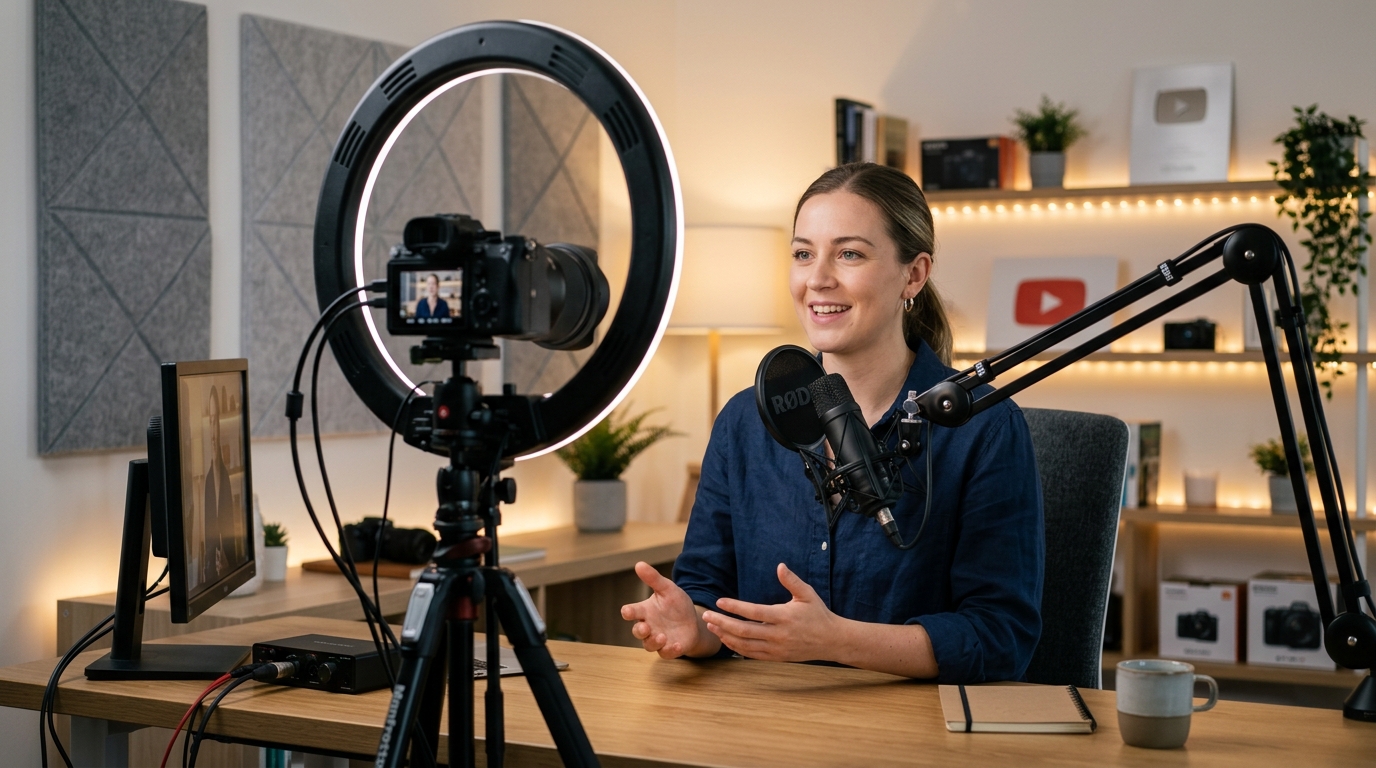
1. Start With Your Content Type
Different content requires different editing decisions. Start by identifying what you actually publish: YouTube, Shorts, Podcasts, Commercials, etc.
2. Review Relevant Portfolio Work
Do not judge an editor only by cinematic showreels. Look at complete examples similar to your project. Relevant experience tells you more than unrelated visual effects.
3. Look at Storytelling, Not Just Effects
A good editor knows that transitions are only one small part of editing. Look for strong pacing, clear storytelling, good shot selection, and clean sound.
4. Check Whether They Understand Your Brand
A creator's content often needs visual consistency. The editor should be able to follow brand colors, fonts, graphics, and editing references.
5. Communication Matters
You can have a technically excellent editor and still have a difficult project if communication is poor. Editing is a collaboration.
6. Ask About Turnaround Time and Revisions
Before starting, clarify how long a typical video takes, how rush projects are handled, and how many revisions are included.
7. Look Beyond Price
Price matters, but consider the total value of the workflow. An editor who saves you several hours every week may create value beyond the editing itself.
Final Thoughts
A professional video editing workflow helps you move from raw footage to a finished video in a more organized way while reducing mistakes, unnecessary revisions, and wasted time. Good editing is about making better decisions in the right order.