
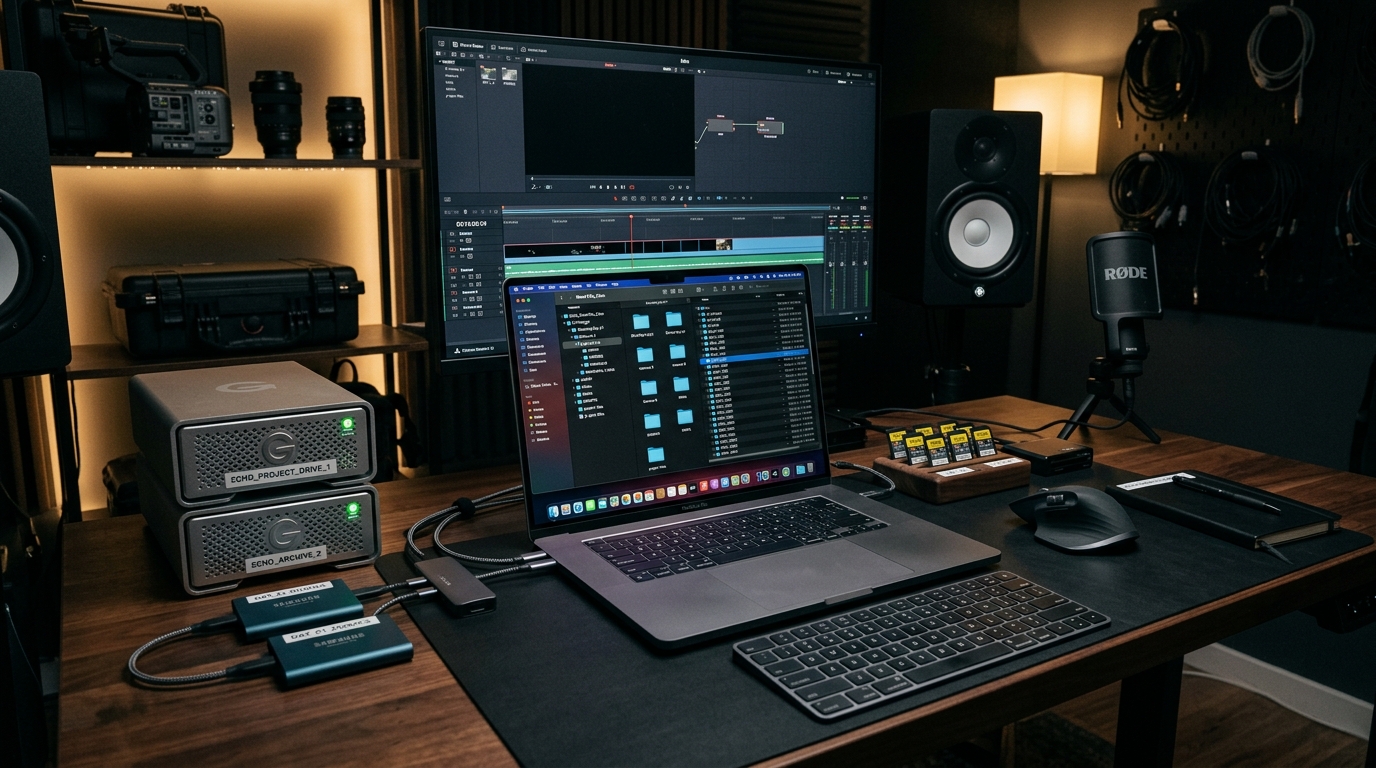
1. Understand What You Actually Need
Before hiring an editor, define your workload. The editor needs to understand volume, complexity, and deadlines.
2. Decide What You Want to Keep Control Over
You may want to keep creative direction, topic selection, and final approval, and outsource cutting, captions, B-roll, and sound design.
3. Find an Editor Who Understands Your Content Type
A wedding editor and a YouTube content editor may have very different editing styles. Look for experience relevant to your content.
4. Show References
Do not only say: “Make it professional.” Show examples. References turn subjective feedback into something much more concrete.
5. Build a Brand Editing Guide
If you publish consistently, create a simple guide with your font, colors, caption style, and transition style. Now every new video starts from the same visual system.
6. Create a Feedback System
Do not send feedback like: “Make it more dynamic.” Explain what needs to change using timestamped comments.
7. Think Long-Term
If you create content every week, constantly hiring a new editor can create inconsistency. A long-term editing relationship can allow an editor to learn your style.
Final Thoughts
A professional video editing workflow helps you move from raw footage to a finished video in a more organized way while reducing mistakes, unnecessary revisions, and wasted time. Good editing is about making better decisions in the right order.